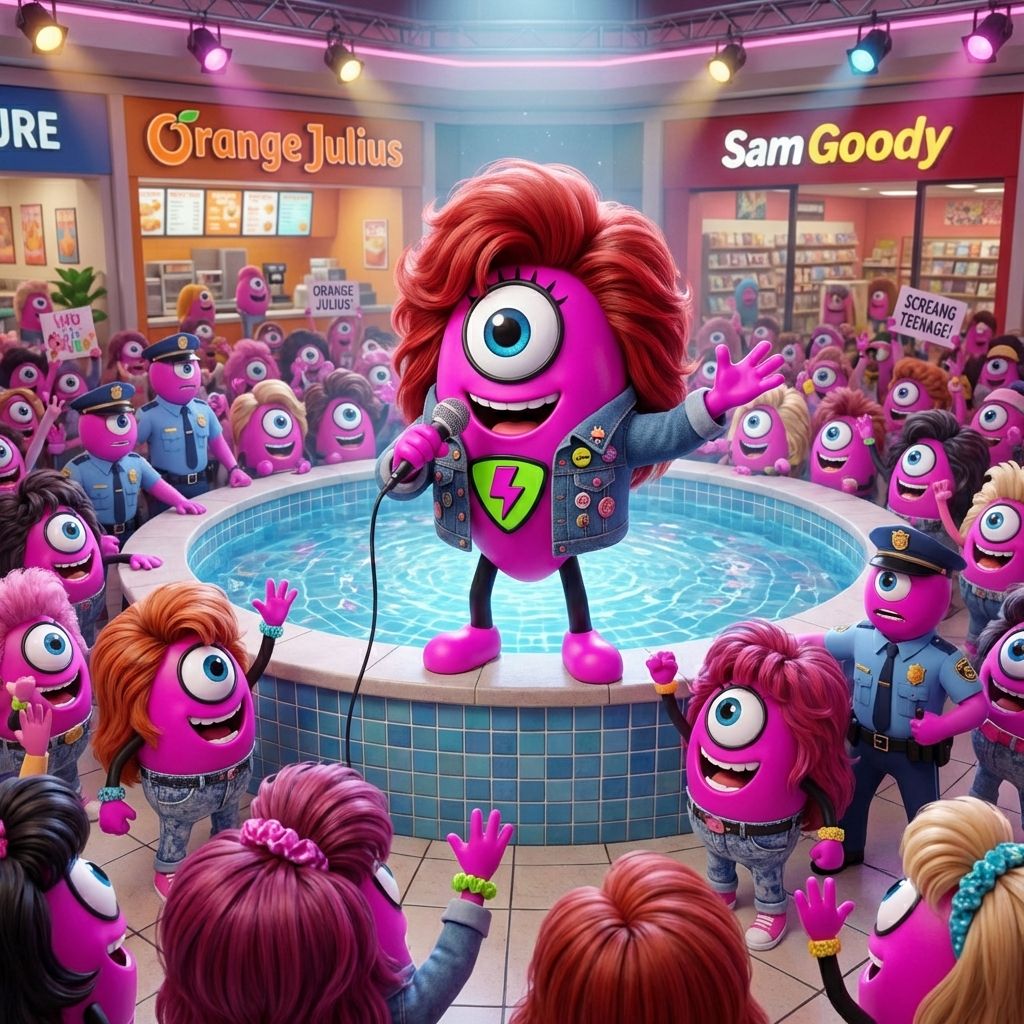
Picture this: It's 1987, and a flame-haired teenager is belting out "I Think We're Alone Now" in the food court of your local mall. That was Tiffany Darwisch's genius strategy, and it turned her into one of the biggest pop sensations of the decade. While other artists were playing arenas, sixteen-year-old Tiffany was literally bringing the concert to where teenagers already hung out – the shopping mall. The "Beautiful You: Celebrating the Good Life Shopping Mall Tour '87" hit ten malls across America, and it was absolutely free. Kids would stumble upon a pop star between Orange Julius and the Gap, and suddenly they were hooked.
What's wild is that Tiffany's breakthrough hit was actually a cover of a 1967 song by Tommy James and the Shondells. Her version completely reimagined it with that signature '80s production – drum machines, synths, and all. When "I Think We're Alone Now" hit number one on the Billboard Hot 100 in November 1987, Tiffany became the youngest female artist to top the charts with her debut album. She knocked Michael Jackson's "Bad" out of the top spot, which is no small feat. Her self-titled album would stay at number one for two weeks and eventually go quadruple platinum.
But here's where it gets really interesting: Tiffany's career almost didn't happen because of a legal battle over her contract. Her mother actually sided with her management against Tiffany herself when the teenage star wanted more control over her career. The conflict was so intense that Tiffany had to wait until she turned 18 to legally extricate herself from certain agreements. Despite these behind-the-scenes struggles, she managed to score another number-one hit with "Could've Been" in early 1988, proving she wasn't just a one-hit wonder.
The rivalry between Tiffany and Debbie Gibson became the stuff of '80s legend, though it was largely manufactured by the media. Both were teenage redheads dominating the pop charts, but their approaches couldn't have been more different. While Gibson wrote her own songs and played instruments, Tiffany was more of a traditional pop vocalist working with outside writers and producers. The supposed feud sold magazines, but both artists have since expressed mutual respect. Tiffany continued recording and touring long after her '80s heyday, even appearing on reality TV shows and releasing a punk rock cover album in 2007. That mall tour strategy? It's now studied in music marketing classes as guerrilla marketing genius.
5,434 m²